Influence Profile
No genre data available
Genre information will appear here once available
Trending in Chavela Vargas’s World

Trending Globally
No trending songs available.
Story
Quick Facts
From
Mexico
Mexico
Journey
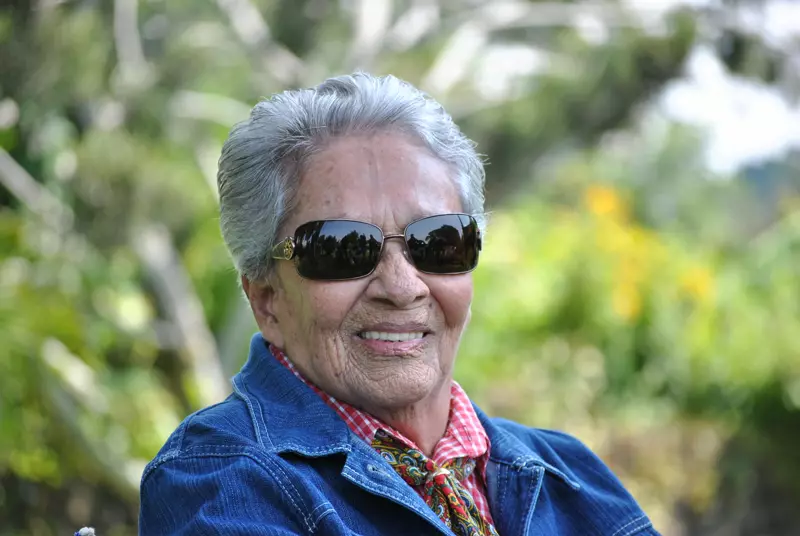
Chavela Vargas, born María Isabel Anita Carmen de Jesús Vargas Lizano in San Joaquín de Flores, Heredia, Costa Rica, became one of the most distinctive and enduring voices in Latin American music. She moved to Mexico as a teenager and later became a naturalized Mexican citizen, embracing the country that would define her artistic identity. Raised in a difficult environment marked by illness and loneliness, she found in music a powerful means of expression and belonging.
Performing under the name Chavela Vargas, she built a career rooted in ranchera, bolero, and corrido, working primarily with vocals and acoustic guitar. Her intensely personal interpretations earned her the celebrated title “la voz áspera de la ternura”, “the rough voice of tenderness.” Unlike many traditional ranchera singers, she often performed with minimal accompaniment, allowing the emotional weight of songs such as “La Llorona,” “Paloma Negra,” “Piensa en Mí,” “En el Último Trago,” “Macorina,” and “Un Mundo Raro” to become the center of attention.
Vargas rose to prominence in Mexico City’s bohemian artistic circles during the 1940s and 1950s and became especially associated with the songs of José Alfredo Jiménez. She challenged social and gender conventions through both her stage presence and her repertoire, becoming an important cultural figure for generations of listeners. Her artistic circle included major figures such as Frida Kahlo, Diego Rivera, Juan Rulfo, and filmmaker Pedro Almodóvar, who later introduced her music to international film audiences.
Throughout her career, Vargas released recordings through labels including DCD International, Eurodisco, Music Brokers, and Kailas Lake S.L. Important releases include “Macorina,” “Obsesión (Digitally Remastered),” “Chavela Vargas en España,” and “Lamento Borincano.” These recordings demonstrate both the depth of her Spanish-language catalog and the international reach of her artistry.
After a period of withdrawal from public life during the 1970s and 1980s, she returned triumphantly to the stage in the early 1990s and toured extensively across Europe, Latin America, and the United States. Her influence on ranchera and Latin American popular music was formally recognized when the Latin Recording Academy awarded her the Lifetime Achievement Award in 2007. She also received the Grand Cross of the Order of Isabella the Catholic from Spain.
Chavela Vargas died on August 5, 2012, in Cuernavaca, Mexico, at the age of ninety-three. Her recordings remain in circulation worldwide, and her rough, tender, unmistakable voice continues to introduce new generations to the emotional truth at the heart of ranchera and bolero music.